
Lichen Sclerosus Treatment
Lichen Sclerosus is a chronic inflammatory skin condition that most commonly affects the vulvar and perianal area, causing itching, pain, and scarring. At LuxLipo in Jonesboro, AR, Dr. Desai provides compassionate, evidence-informed evaluation and individualized treatment plans — from medical therapy to advanced laser, radiofrequency, and surgical options — to relieve symptoms and protect long-term vulvar health.
What is Lichen Sclerosus?
Lichen Sclerosus is a non‑contagious dermatosis that typically presents as thin, white, fragile patches of skin on and around the vulva and anus. Over time, untreated disease can cause scarring, narrowing of the introitus, loss of labial tissue, and sexual dysfunction. While it can occur at any age, it is more commonly diagnosed in adult women but also affects children.
Symptoms
- Persistent itching of the vulva or perianal area
- Pain, burning, or sensitivity with touch
- Discomfort or pain during intercourse (dyspareunia)
- White, thin “paper-like” patches or areas of skin that tear easily
- Changes in vulvar anatomy from scarring (shrinkage or narrowing)
- Occasional bleeding, ulceration, or fissures in severe cases
Causes and associated conditions
The exact cause is unknown but most evidence supports an autoimmune component. Lichen Sclerosus is often associated with other autoimmune conditions (for example, thyroid disease, vitiligo, or alopecia areata). There is also a recognized increased long-term risk of vulvar squamous cell carcinoma in a small percentage of patients, which is why monitoring and appropriate management are important.
Diagnosis
Diagnosis is usually made by clinical examination. In many cases a biopsy is recommended — particularly when the appearance is atypical, lesions fail to respond to treatment, or there are ulcerated areas — because biopsy helps distinguish Lichen Sclerosus from other vulvar dermatoses and rule out precancerous changes. If a biopsy is performed, it is best obtained before prolonged use of potent topical steroids so that characteristic tissue changes are preserved.
What to expect at your visit
- Thorough history and focused vulvar exam
- Discussion of symptoms, sexual function concerns, and prior treatments
- If indicated, skin biopsy and/or photographic documentation
- Development of a tailored treatment plan with explanation of risks, benefits, and alternatives
- Written instructions and scheduled follow-up
Before and after the treatment
Recovery and aftercare
- Most topical treatments have minimal downtime.
- Laser, RF, or minor surgical procedures may cause short-term redness, swelling, or discomfort; recovery depends on the intervention used.
- Dr. Desai provides clear aftercare instructions and a follow-up plan to monitor healing and disease control.
Before and after the treatment
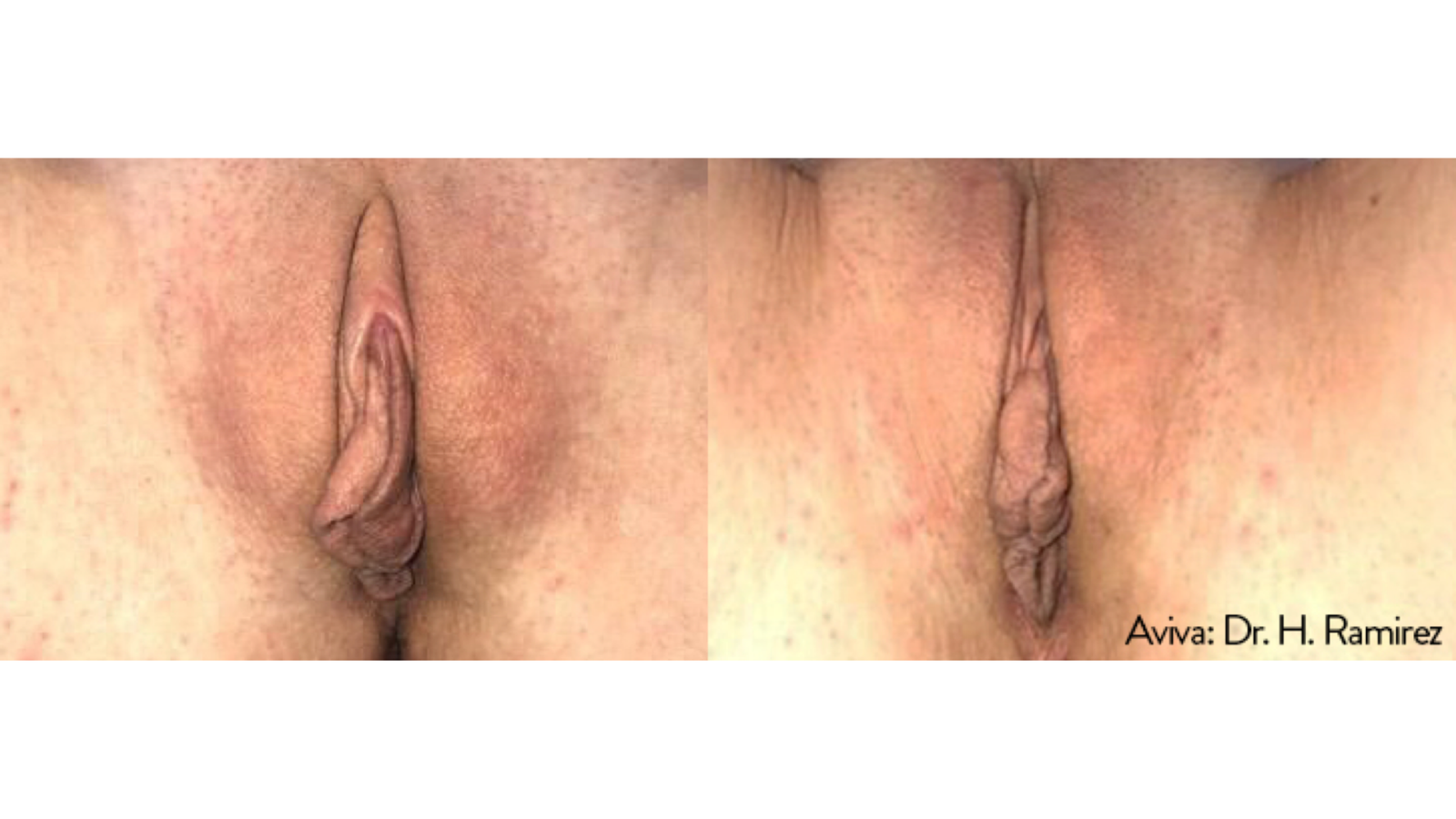
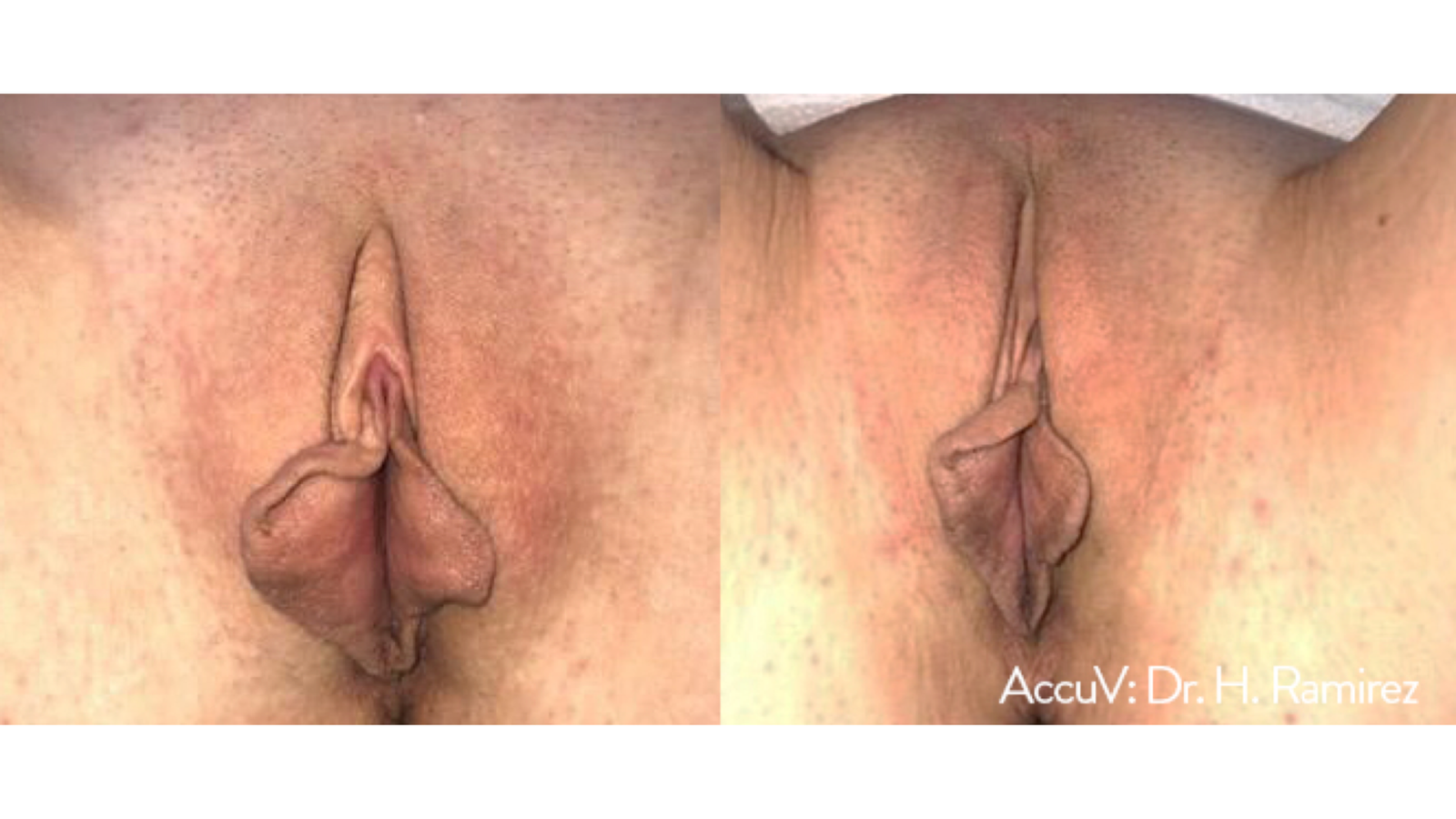
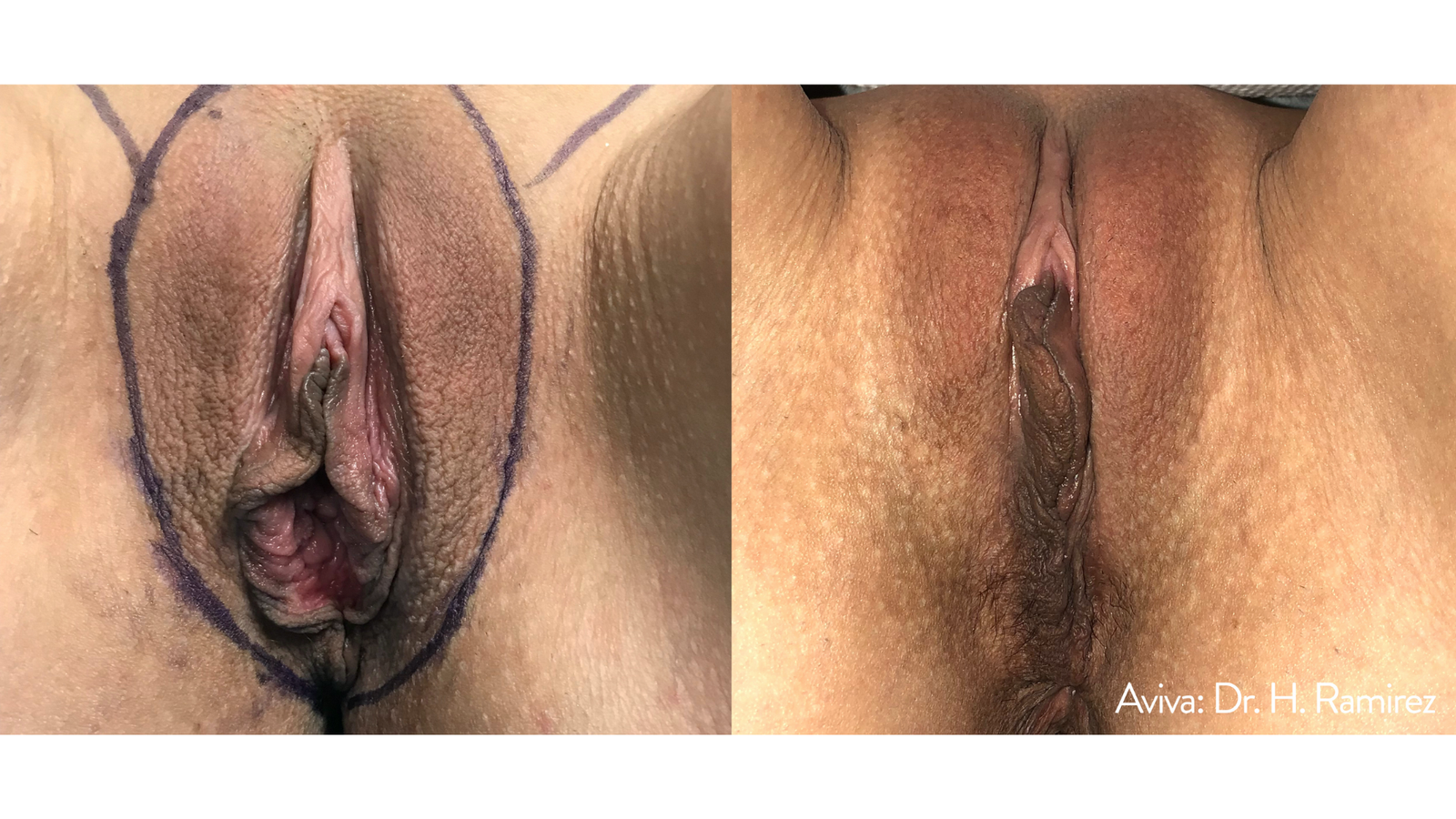
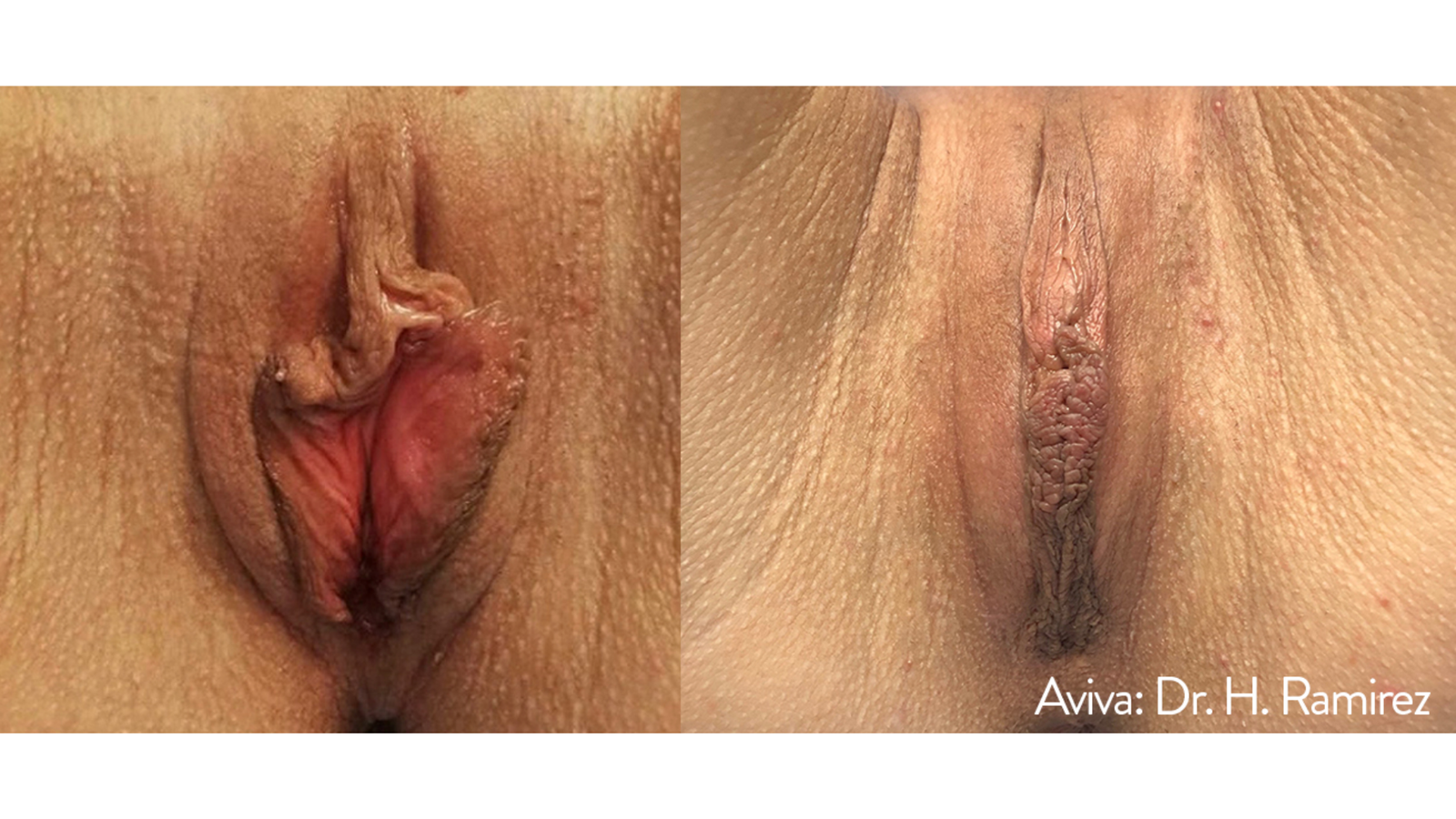
Content Warning
This image is for educational purposes related to Lux Lipo treatments. Viewer discretion advised.
Are you 18 years or older?
Treatment options at LuxLipo
Dr. Desai creates individualized plans combining medical therapy, in-office energy-based treatments, and surgical care when needed.
Medical management
- Ultrapotent topical corticosteroids (e.g., clobetasol 0.05%): the cornerstone of therapy. Applied until active disease is controlled, then reduced to a maintenance schedule to prevent relapse.
- Emollients and barrier creams to protect fragile skin and reduce irritation.
- Education about avoiding irritants (scented products, harsh soaps, friction).
Procedural and office-based options
- Fractional CO2 laser: can improve symptoms and tissue quality in selected patients with chronic changes.
- Radiofrequency therapies (e.g., Thermi/RF devices): aimed at stimulating collagen and improving tissue elasticity and comfort.
- Platelet-rich plasma (PRP) or other regenerative modalities may be offered as adjunctive treatments in selected cases.
- Carboxytherapy and other emerging modalities may be considered based on individual needs.
Surgical care
- For advanced scarring or functional problems (severe narrowing of the introitus or fused labia), reconstructive procedures such as excision of scar tissue, perineoplasty, or labiaplasty can restore anatomy and improve function.
- Any suspicious or non-healing areas may require surgical biopsy or excision to rule out malignancy.
Follow-up and long-term management
- Lichen Sclerosus is typically a chronic condition that requires ongoing monitoring. Initial follow-up is often every 2–3 months while active treatment is ongoing; once stable, follow-ups may be spaced farther apart with a maintenance topical regimen. Prompt evaluation is recommended for any new or changing lesions.
Why choose LuxLipo?
- Personalized care: Dr. Desai assesses each patient’s symptoms, exam findings, and quality-of-life concerns to build a targeted plan.
- Multimodal approach: We combine evidence-based medical therapy with advanced procedural options and surgical expertise when needed.
- Patient-centered experience: Our team focuses on comfort, privacy, and clear communication.
- Local care in Jonesboro — timely appointments and coordinated follow-up.
FAQ?
Is Lichen Sclerosus contagious?
No. Lichen Sclerosus is not infectious or sexually transmitted.
Will treatment cure Lichen Sclerosus?
There is no guaranteed cure for many patients; however, most respond well to appropriate topical therapy and ongoing care. Treatments can control symptoms, prevent progression, and reduce cancer risk.
Do I need a biopsy?
A biopsy is often recommended when the diagnosis is uncertain, if there are atypical or ulcerated areas, or when lesions do not improve with treatment. It can also be important to perform biopsy before prolonged use of potent steroids.
Is there a cancer risk?
A small percentage of patients with long-standing Lichen Sclerosus may develop vulvar cancer. Regular surveillance and prompt evaluation of suspicious changes are important.
Can Lichen Sclerosus affect sexual function?
Yes. It can cause pain and scarring that interfere with sexual activity. Treatment aims to relieve symptoms and, where appropriate, restore anatomy and function.
Schedule your Consultation
If you’re experiencing persistent vulvar itching, pain, or changes to the skin or anatomy, don’t wait. Schedule a confidential consultation with Dr. Desai at LuxLipo in Jonesboro, AR to get a thorough evaluation and an individualized treatment plan.